A cut planned around your property
Regular mowing helps keep your outdoor space tidy and inviting while freeing up your weekends. A one-time visit can also help after an absence or before new occupants arrive. Choose the type of care that fits how you use your yard.
For your quote, share the lawn area, current grass height and backyard access. Add photos of slopes, trees and narrow passages. These details help assess the work and clarify edging and clipping arrangements.
What your quote should specify
Mowing starts with accessible grassed areas that can be worked safely. Edge finishing, work around obstacles and clearing loose clippings from adjacent surfaces should be specified in the offer so you know exactly what is planned.
Routine clipping collection, hauling, restoring severely overgrown grass and working difficult areas are not automatically included. Tell us about those needs at the outset. Fertilizer, pesticide application, lawn repairs and tree work are outside the service described here.
One-time mowing or recurring care
A one-time visit can address a specific need: taking over after an absence, preparing a property for occupancy or covering a period when you cannot maintain the lawn yourself. If the grass is very tall, recent photos help distinguish routine mowing from a larger restoration job.
For recurring care, describe the desired result and when the grounds are used. Frequency, season length, weather arrangements and change conditions must be agreed. Sending a request today does not automatically reserve a service slot for 2027.
To compare both options, read Choosing recurring lawn maintenance.
Preparing the lawn before a visit
Remove toys, hoses, small objects and loose waste that could interfere with mowing. Identify sprinkler heads, cables, covers or fragile items that are difficult to see. Keep animals away from the work area and make the agreed access available.
Tell us the approximate width of gates and any parking restrictions. If you manage a rental property, explain how access can be arranged without disrupting residents. A temporary access code shared after service confirmation is preferable to a permanent code in an initial request.
Describe the lawn beyond its area
An estimate in square metres or square feet provides a starting point, but it does not describe all the work. Mention whether the lawn is split into separate areas, whether steps divide them and whether obstacles require work in narrow passages. An approximate measurement with photos is more informative than a supposedly exact number without context.
Identify areas you do not want mowed, recent plantings and spots with hard-to-see features. Property boundaries should be clear. For a shared yard, specify the part covered by your inquiry and obtain the necessary authorization before including an area belonging to another occupant.
Plan for conditions that can change a visit
Rain, wet ground, heat or a change in access may require adjustments. Arrangements should explain how a postponement is communicated and how another date is proposed. A preferred time does not replace a service agreement, and a visit is not guaranteed merely because it appears in an inquiry.
If the property will be inaccessible for a period, tell the person organizing visits. Events, construction or temporary furniture can also change the available work area. Good planning depends on current information: significant changes should be communicated rather than discovered on arrival.
Assess mowing after a long interruption
Very tall grass can hide objects, uneven ground or waste. Before requesting a restart, show current conditions without putting yourself at risk to reach every area. Say how long the lawn has been unattended if known and whether materials need collection before mowing.
This situation can require different preparation from routine upkeep. The proposal should distinguish the initial work from a future schedule. The first-visit outcome and method need confirmation for the property; promising complete restoration from one description would be misleading.
Frequently asked questions
How often should a lawn be mowed?
Frequency depends on growth, the season and your desired result. A schedule needs to be agreed for your lawn; its address alone is not enough to confirm one.
Can I request help with very tall grass?
Describe the approximate height and attach photos. Very tall grass may require a different scope and a separate assessment from routine mowing.
Is edge finishing included?
Edge finishing must be specified in the quote. Describe borders around beds, fences and paths to avoid ambiguity.
Related services to consider
Tell us about your property
Prepare your inquiry for the planned summer 2027 season. Scope and dates need confirmation.
Request a quotePrepare your project
Outdoor space inspiration
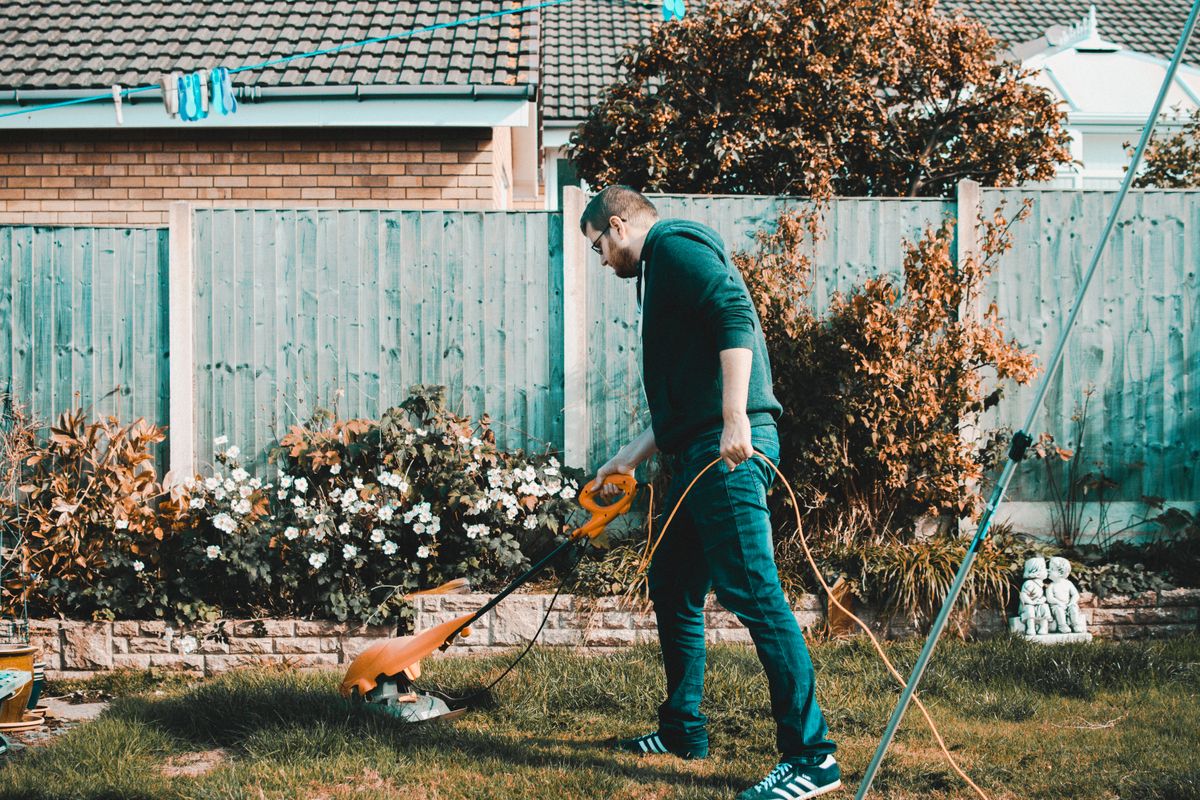
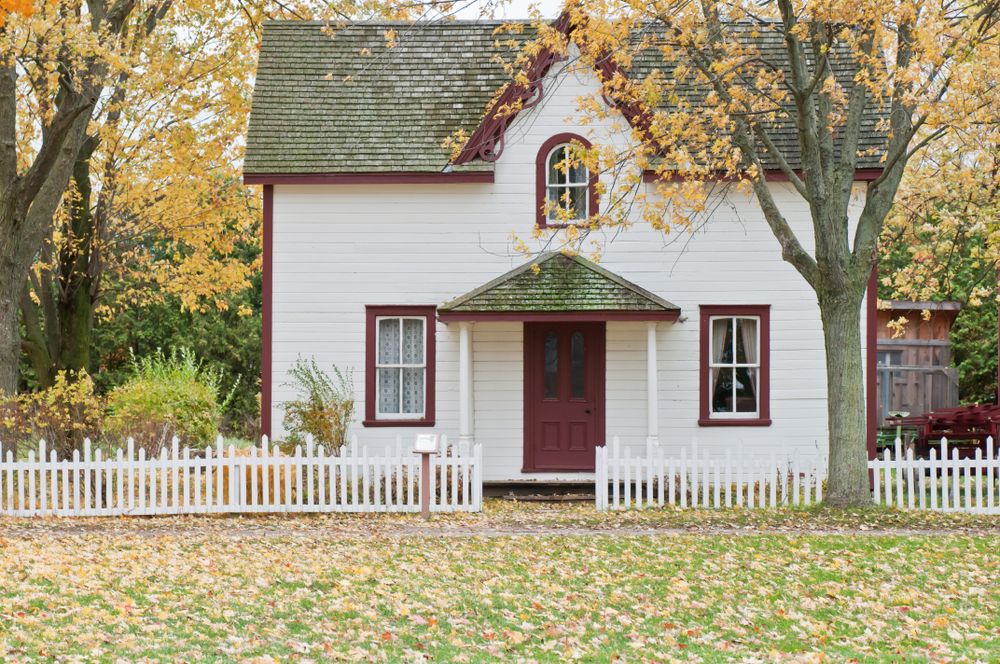
Explore examples of outdoor spaces. These photos show separate properties and are illustrations, not GazonPro projects.
Illustrative examples—not GazonPro projects.